
Stop Buying Cheap Clothes That Turn Your Closet Into an Expensive Collection of Mistakes
A $30 top doesn’t feel like a major purchase. So you buy it—and because it’s inexpensive, perhaps you buy it in three colors.
But then you get it home and realize the neckline isn’t flattering. The fabric doesn’t hold its shape. The length doesn’t work with your pants. You wear it once, if at all, and it becomes one more thing taking up space in your closet.
That inexpensive top wasn’t actually a bargain. It was another costly mistake.
Inexpensive Doesn’t Always Mean Good Value
There is nothing wrong with buying an affordable piece. I’ve found wonderful items at every price point.
The problem is buying something simply because it is inexpensive.
When price becomes the reason you purchase something, you stop asking the questions that really matter:
Does it fit and flatter my body?
Is this the right proportion for me?
Does it work with the clothes I already own?
Do I have the right shoes to complete the outfit?
Can I style it at least three different ways?
Does it reflect how I want to look and feel?
If the answer is no, it isn’t a good deal—regardless of the price.
Stop Buying Random Pieces
One of the biggest mistakes I see is shopping for individual items instead of complete outfits.
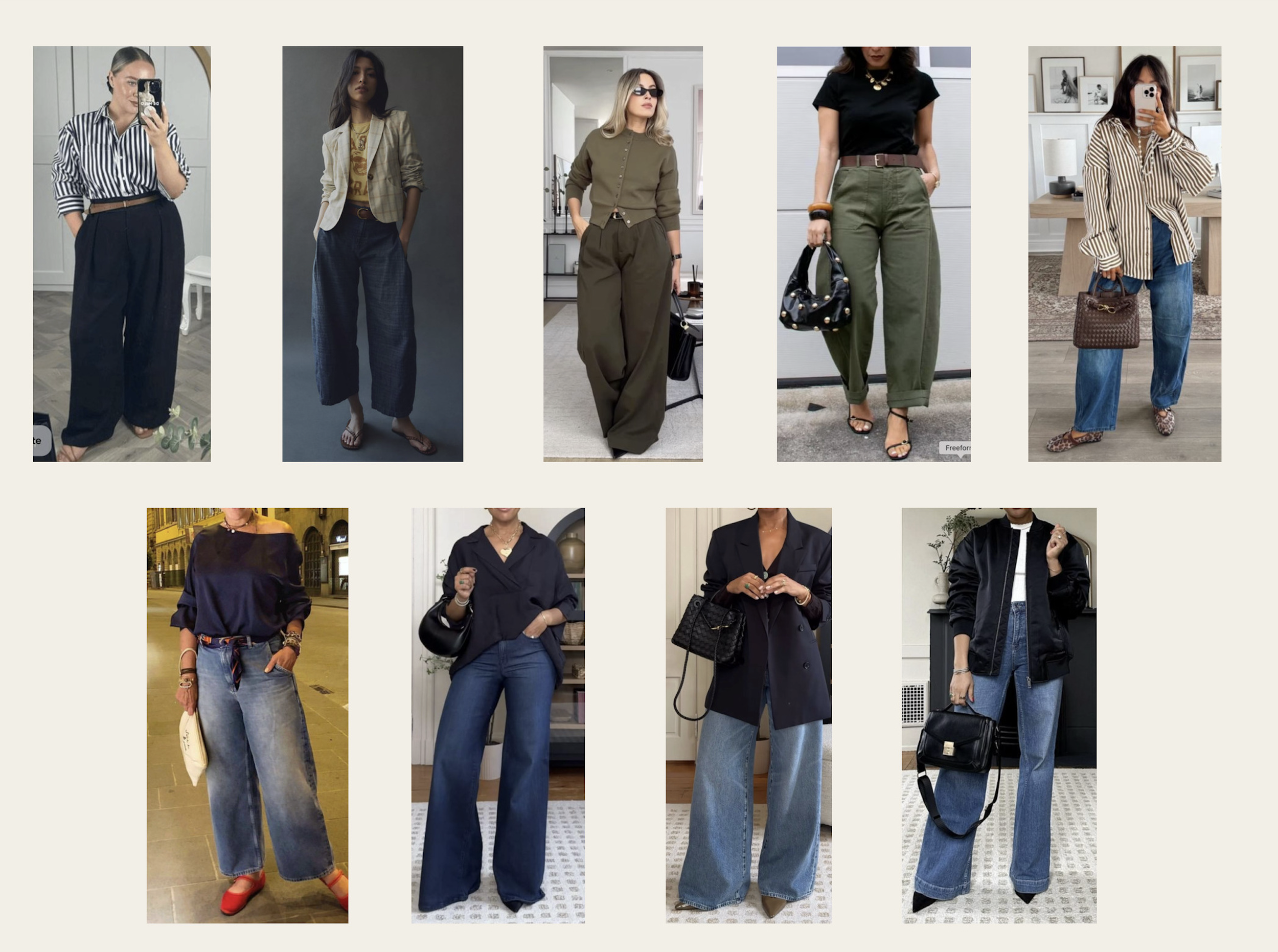
You buy a blouse because it’s cute, but you don’t own the right pants to wear with it. You buy wide-leg trousers, but none of your tops hit at the correct length. You add another pair of shoes without considering whether they work with the hemlines and silhouettes in your wardrobe.
Eventually, you have a closet filled with perfectly nice pieces that don’t work together.
That is why you can own so many clothes and still feel like you have nothing to wear.
Fit and Proportion Matter More Than the Price Tag
An expensive garment won’t look good if it doesn’t fit correctly—and an affordable piece can look elevated when the fit and proportions are right.
Your clothes should work with your body as it is today. Stop holding on to pieces that pull, gape, overwhelm your frame or make you feel uncomfortable. Stop buying styles because they look good on someone else without considering whether they support your own shape and proportions.
The right clothing should create balance, highlight your best features and make you feel confident—not leave you adjusting your outfit all day.
Buy Less, but Buy Better
Buying better doesn’t always mean buying designer. It means becoming more selective.
Instead of buying three mediocre tops, invest in one that fits beautifully and works with several outfits. Instead of purchasing another trendy shoe, choose the pair that completes the pants, dresses and skirts you already own.
Focus on quality, versatility, fit and cost per wear.
The goal is not to build the biggest wardrobe. It is to create a wardrobe in which everything has a purpose.
Shop With a Plan
Before you buy something, pause and ask yourself:
Do I genuinely love this, or do I just love the price?
Can I immediately picture at least three outfits using pieces I already own?
Would I still want it if it weren’t on sale?
Does it support the style I am trying to create?
If you can’t answer those questions confidently, leave it behind.
Your wardrobe should make getting dressed easier. It should be filled with pieces that fit, flatter and work together—not an expensive collection of inexpensive mistakes.
Buy fewer clothes. Make better decisions. Build a wardrobe you actually want to wear.
